
What are Invasive Plant Species?
I am Lexie Wiedenheft (pictured above). I’m a Girl Scout in Colorado and when I was ready to select a Gold Award project (the highest achievement in Girl Scouts!) I wanted the project to make a sustainable, community-wide impact that addressed the root cause of an important problem.
For my Gold award project, I chose to learn about invasive species removal and educate people by sharing how to identify, remove and replace them. I am constantly surrounded by nature and want to teach others how to protect nature for future generations.
Invasive species are plants or animals that do not belong in an ecosystem and have been brought in by an outside force. These plants are harmful to the ecosystem because they take in the nutrients that native plants need to grow.
Identifying and Removing Black Locust
The Indian Creek Nature Center has a few types of invasive species. Among these is the black locust tree. This tree is a good example of an invasive plant species.
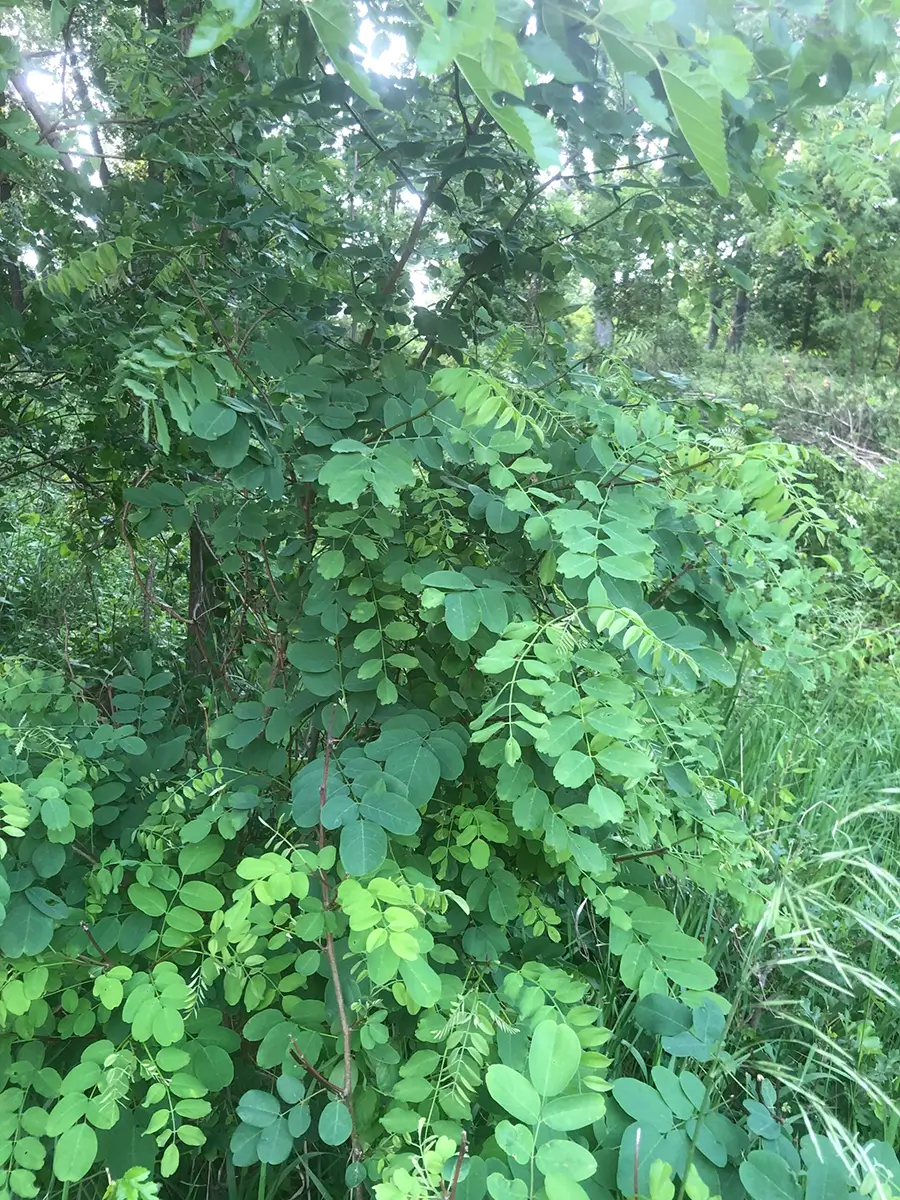
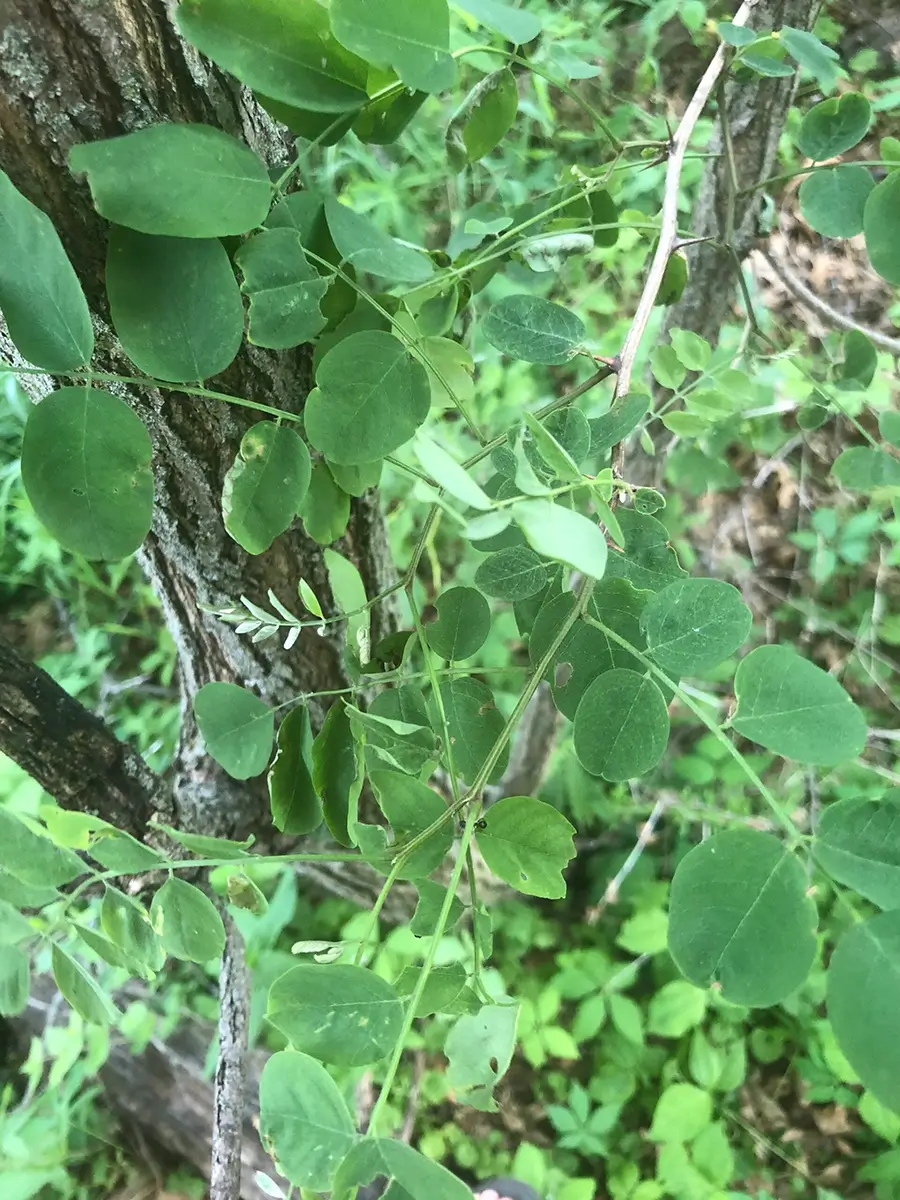
The identifying characteristics of the Black Locust trees include their leaves, which are pinnately compound and shaped like small ovals, and their branches, which have thorns that range from ¼ inch to ½ inch. These trees normally grow along the edges of forests in partial sunlight.
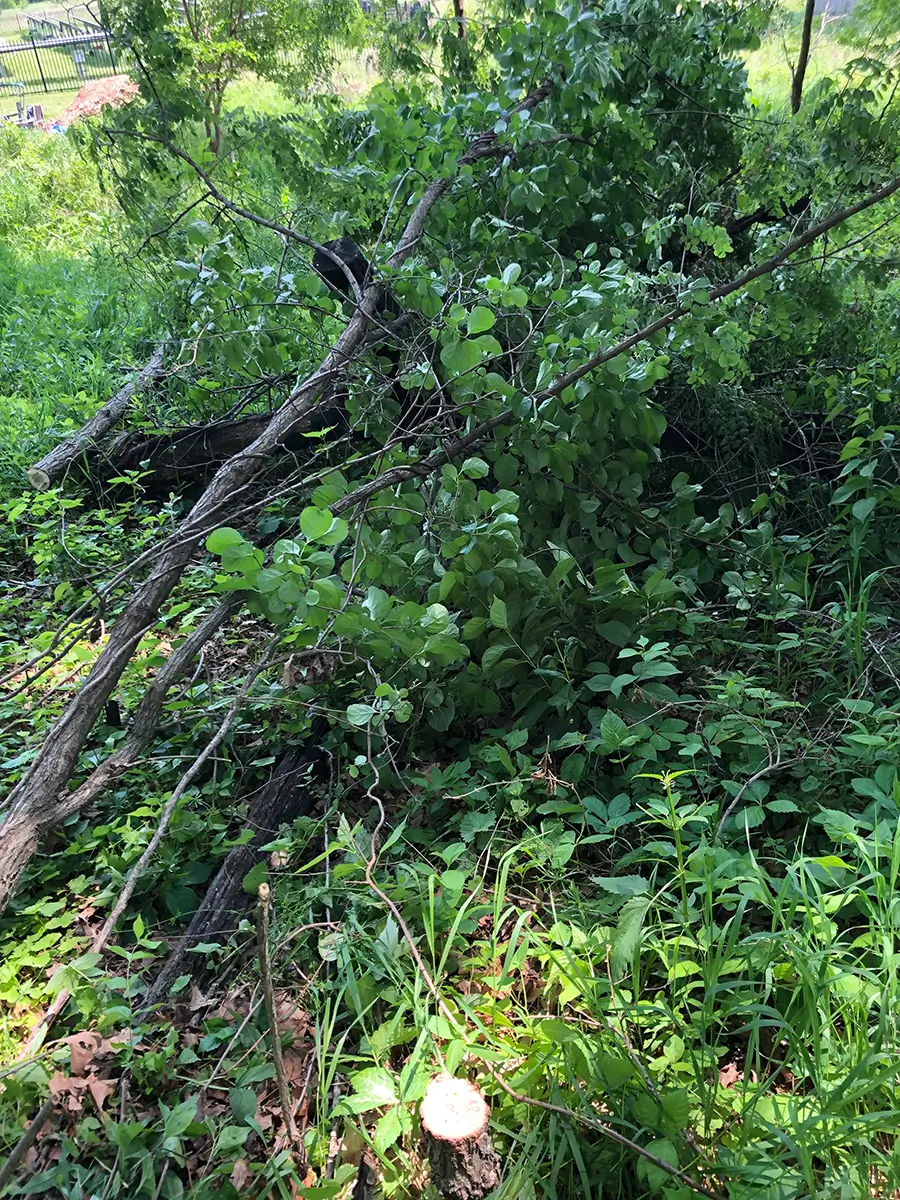
The best way to remove these plants is cutting them with a lopper, for plants up to ¾” diameter, and a hand saw is used for anything bigger. It is important to cut these trees as low to the ground as possible to make it safer for others who may be in the area, so they do not trip. It also makes it harder for the tree to come back.
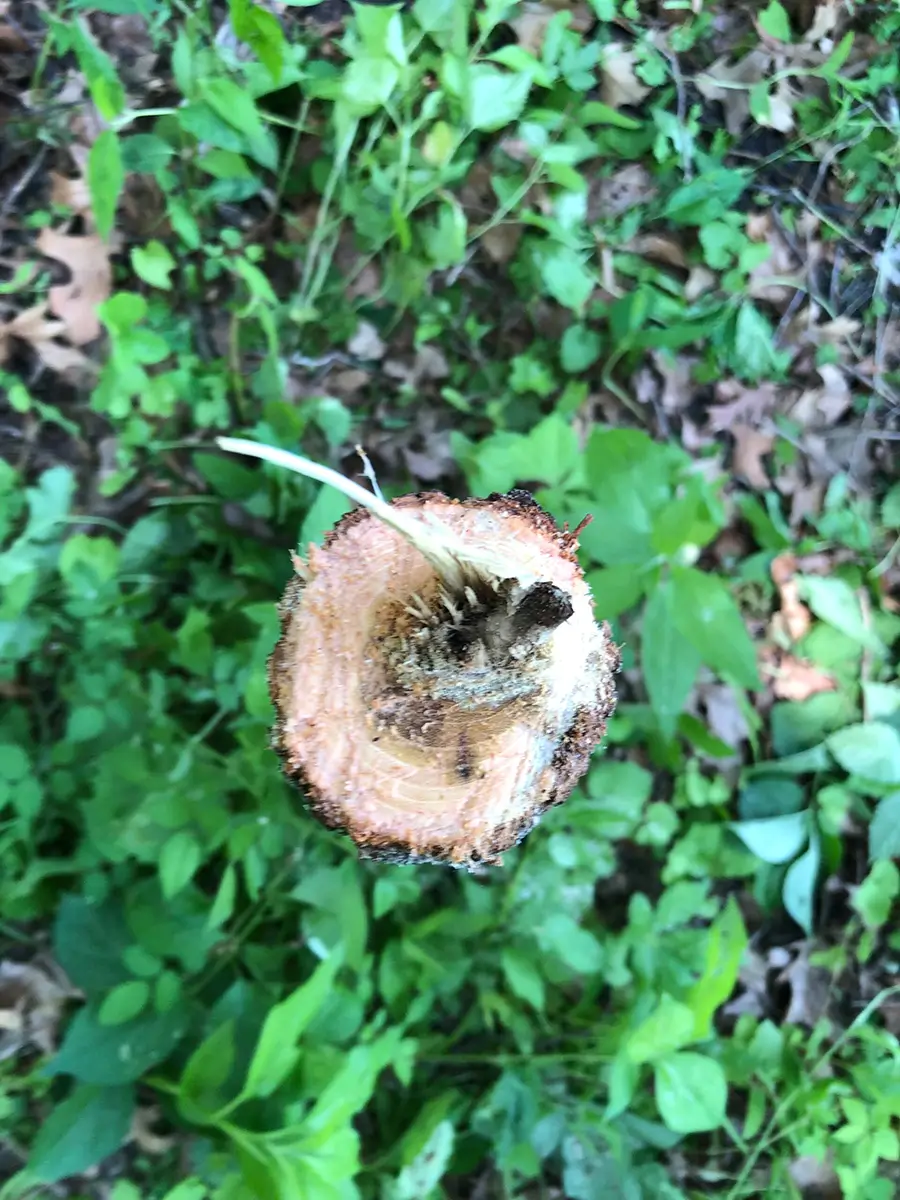
After the tree is cut down, a mix of Round-up and orange dye is sprayed on the stump. The orange color helps differentiate the stumps that have been treated from those that haven’t. The chemical is used to ensure the tree does not send up new sprouts and branches to reduce the chance of the plant returning to harm the ecosystem.
Replacing an Invasive Plant Species
There is a wide variety of native shrubs that can be planted to replace black locust and other invasives. The two I specifically focused on are plums and button bushes.
Plum trees have 3-4” leaves, with 1” white blossoms that are a good nectar source for pollinators. They have red fruits, typically less than 1” in diameter, that are tasty for both wildlife and humans. These trees can grow to more than 15’ tall, and have wide stretching branches. They tend to create a thicket, but can also easily be pruned to be a tree.
Button Bushes are smaller, usually staying around 6’ tall and 6’ wide. They have showy blossoms and are a good nectar source for both birds and bees. They grow in partial shade and can easily tolerate wet soil.
Replanting an area with natives after removing invasives is a good way to support wildlife and improve the ecological habitat for the future.
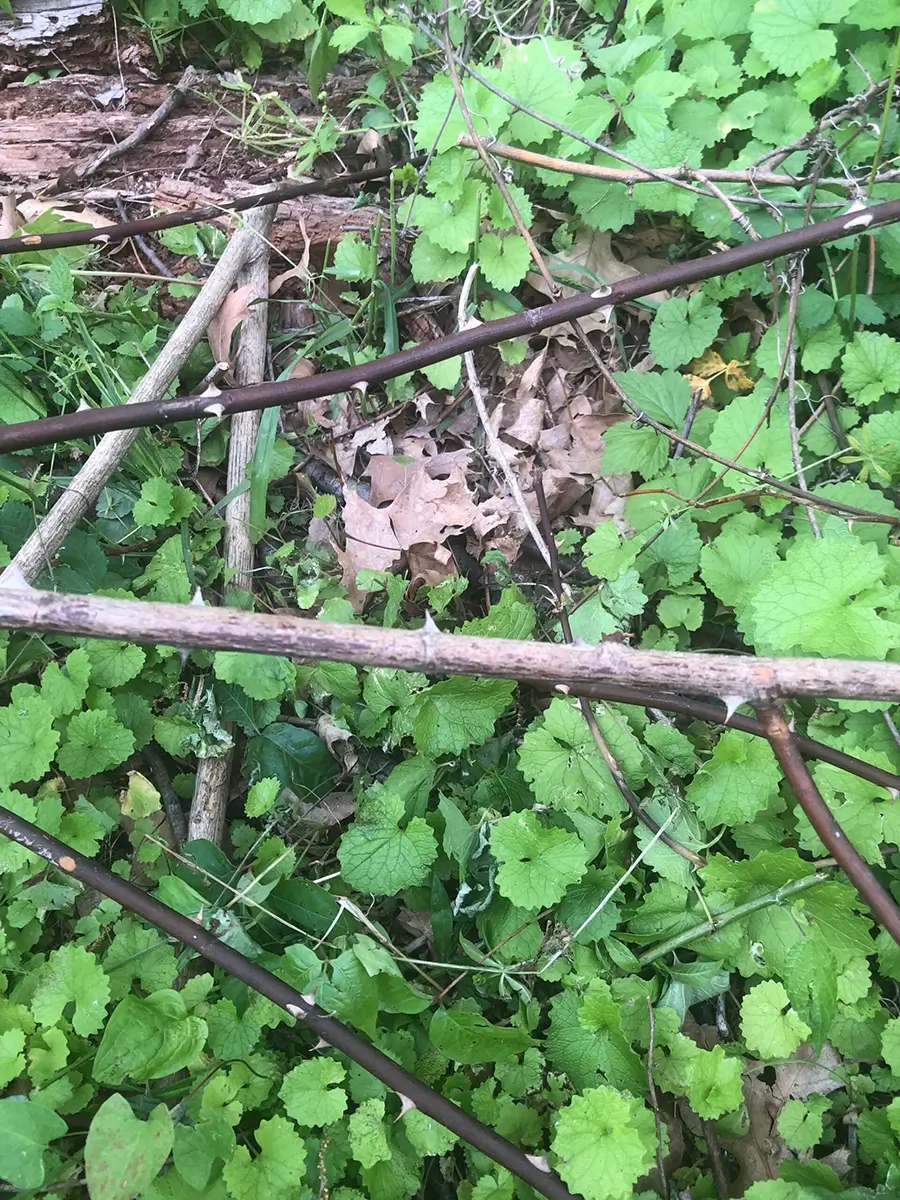
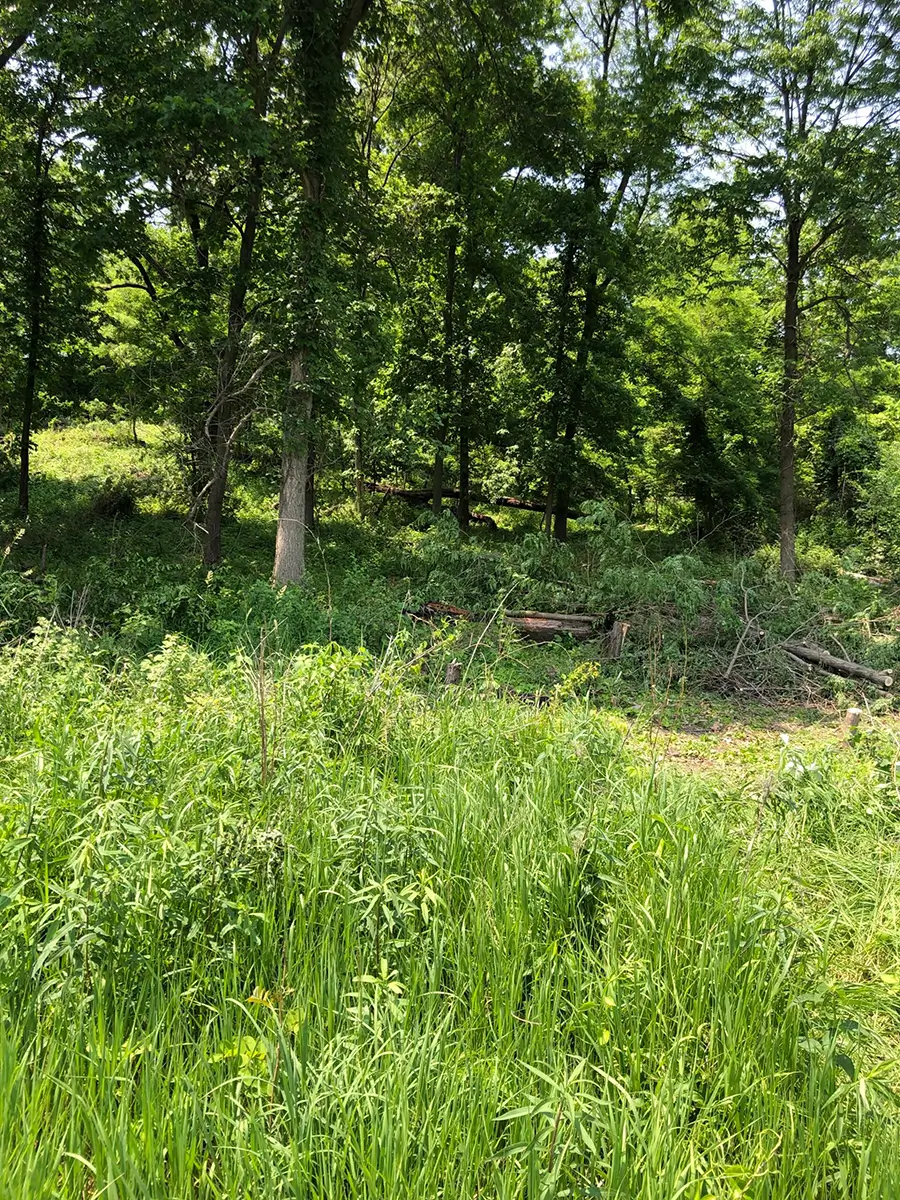
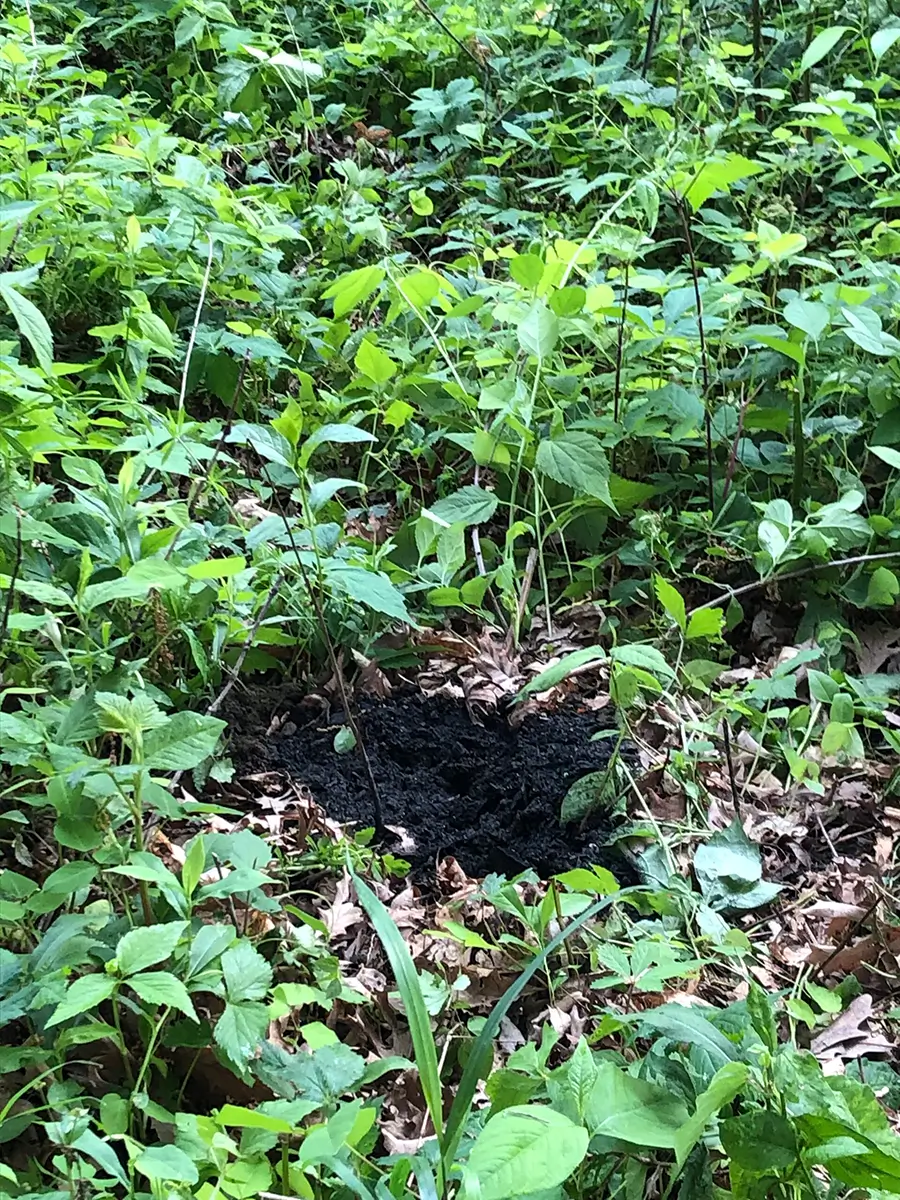
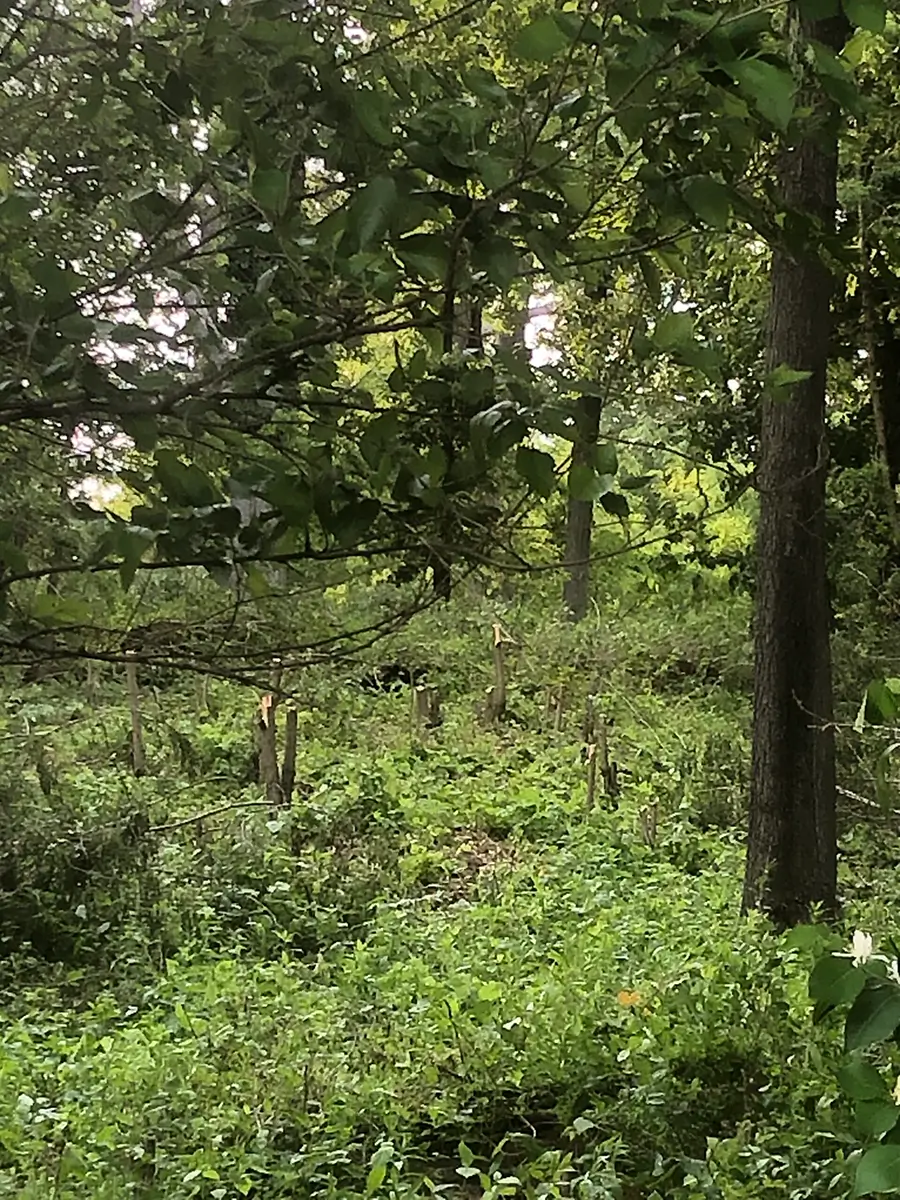
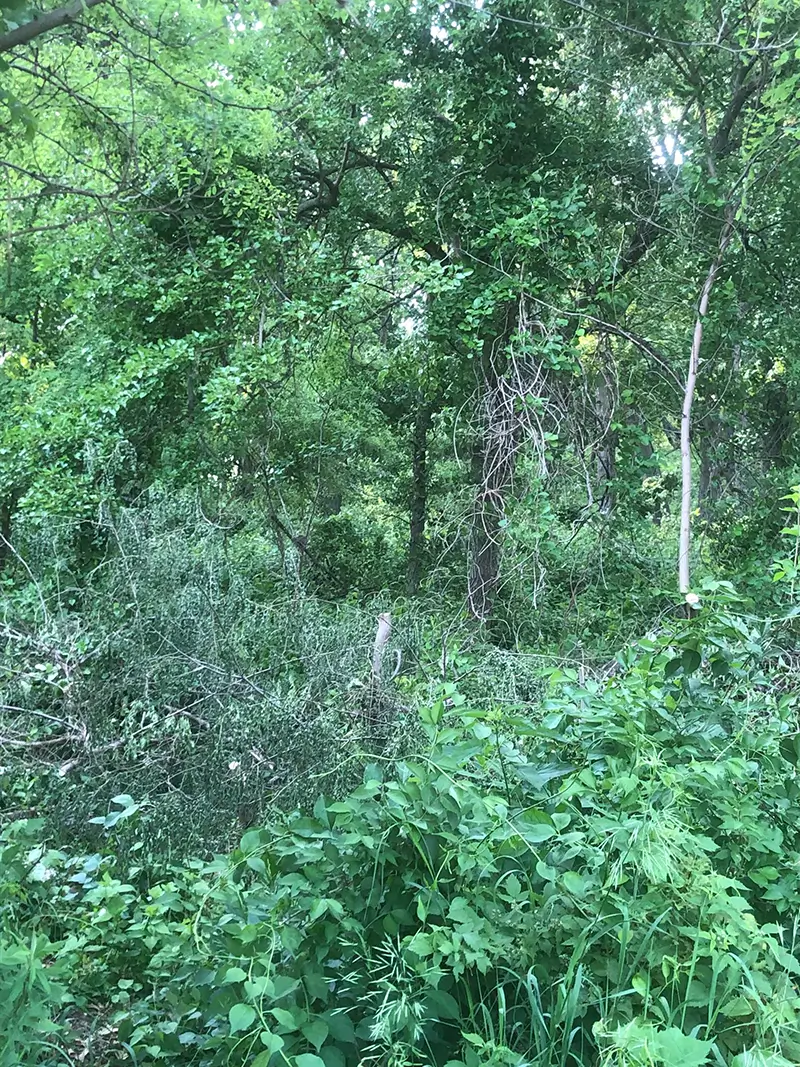
Below are a few photos of the black locust plants I found and removed during my project. You can use the photos below to learn how to identify black locust too!