

The Sun is Setting on Clean Energy Tax Incentives
While the ecological and economic impacts of investing in an energy-efficient home will last for decades, the federal tax incentives for doing so are disappearing soon.
A new federal bill signed into law on July 4, 2025, is ending the federal tax incentives that give homeowners up to 30% off the cost of investments in clean energy technologies. The incentives, which began in 2022, were originally planned to be available until 2032, but now many are expiring on December 31, 2025.
Since earning the incentives is based on the date the solar panels, heat pumps or other energy-saving upgrades are “placed in service,” waiting could mean missing out on the tax incentives. Thegreen technologies the incentives encourage have proven to reduce pollution and potentially lower a household’s energy bills.
Building towards a more energy-efficient home looks different for everyone. Let’s take a look at how to capitalize on the soon-expiring tax incentives for solar panels, heat pumps, and electric vehicles to see which may be right for your household.
Solar Panels Can Bring Long-term Energy Savings
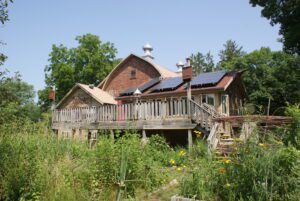
Solar panels offer your home a clean energy source and a chance to reduce your monthly energy costs.
The cost effectiveness of solar panels can vary based on the square footage of your roof and hours of direct sunlight, but solar panels have been shown to be a worthwhile investment for homeowners in Iowa.
According to PowerOutage.us, a 5kW system can create enough savings from reduced energy costs to fully pay back the initial investment in 9 years and create a net savings of nearly $16,000 over the lifespan of the system. These figures include the savings from the clean energy tax credits.
If the system is large enough to cover your monthly energy consumption, your home would effectively have an energy bill of $0 once the installation costs have been paid back. The clean energy tax credits for solar panel installations expire on December 31, 2025.
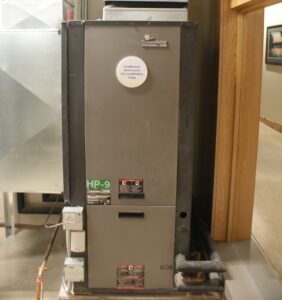
Heat Pumps Make Your Home More Energy Efficient
Households in Iowa that have installed heat pumps to replace old furnaces saved an average of $1,380 annually. The savings come from the heat pump’s method of transferring heat instead of generating heat to provide efficient heating and cooling.
There are a variety of heat pump systems, including air-source or ground-source heat pumps. Ground-source heat pumps, also known as geothermal heating, have higher installation costs but also higher efficiency than air-source heat pumps. Still, the more expensive systems have an expected payback period of only five to ten years.
Iowa homeowners should look for a system with an ENERGY STAR Cold Climate label to ensure the system can handle the extremes of an Iowa winter. The clean energy tax credits for heat pump installations expire on December 31, 2025.
Plug into Savings with an Electric Vehicle
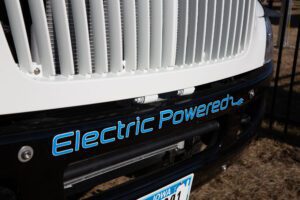
Driving an electric vehicle (EV) has a lot of benefits, including less maintenance, reduced noise pollution, and potential for long-term savings.
Electric vehicles are ideal for commuters and regional travelers who routinely stay within the driving range of the battery (typically 300 to 400 miles). This makes charging the vehicle’s battery simple because you can just charge it at home overnight. As the EV infrastructure expands, EVs will become more convenient for longer trips as well.
The clean energy tax credits for qualified electric vehicles expire on September 30, 2025. The tax credit of $7,500 for a new EV or up to $4,000 for a used EV is available as a cash rebate that can be used as part of a down payment.
Next Steps Toward an Energy Efficient Home
Even though time is running short to take advantage of the federal tax credits for clean energy investments, be sure to take your time to make sure your investment is right for your home.
Time spent researching the different energy-saving options for your home, investigating the investment’s impact on your budget, and searching for a reputable and local contractor can save you lots of money and headaches over time.
We look forward to seeing more solar panels on rooftops in our neighborhoods and electric vehicles cruising around town. Each investment helps you build your energy-efficient home, and helps us all build a more sustainable world.