Leave the Leaves

HomeAbout →  Blog → 

Leave the Leaves

The Beauty of Fallen Leaves

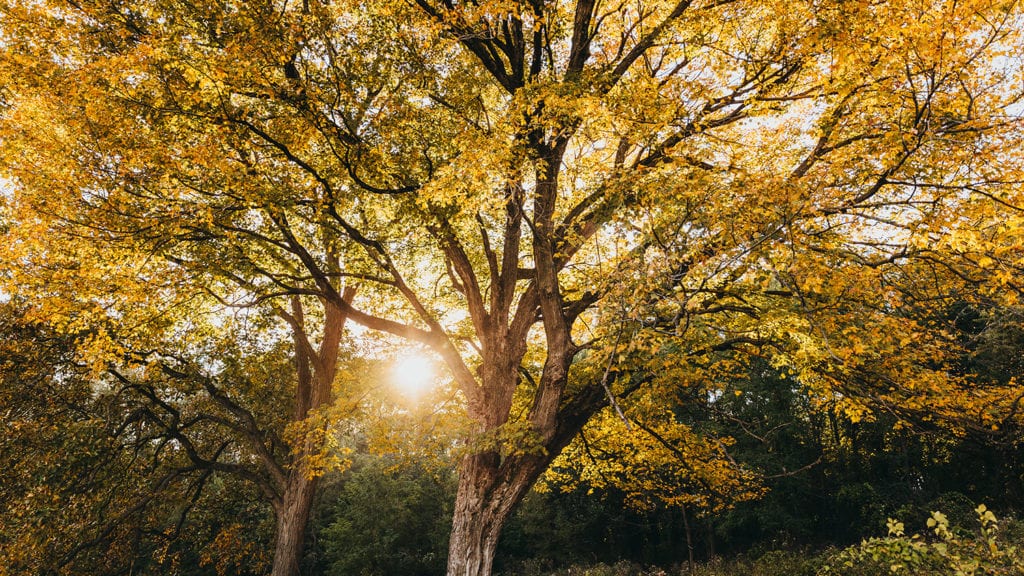
Every Fall, as trees turn shades of orange, red, yellow, and brown, the beautiful array of colors offer mesmerizing views. Then, the leaves fall.

Somehow, by lowering to the ground leaves transform from ‘fall foliage’ to ‘yard waste.’ The leaves that inspired awe moments ago suddenly attract scorn.

If we could only see the hidden benefits of fallen leaves, the scorn could be replaced with gratitude. Beneath the leaves, there is more than grass. There is a secret world full of life that we can start to start to see the beauty of if we simply leave the leaves.

Leaves remain beautiful even after they fall. You may just have to look a bit closer to see it.

Why Leave the Leaves

Fallen leaves might appear messy to humans, but they are a lifeline for many native pollinators.

The small spaces between fallen leaves and the ground become a natural shelter for pollinators and invertebrates. A layer of leaves can insulate these hidden homes enough to allow butterflies, bees, millipedes, roly-polys, and more to survive through the winter.

By leaving a winter shelter for them, these pollinators and decomposers can hold on until spring, when they will emerge to play their critical roles in our local ecosystems. Plus, when these creatures thrive, the animals higher on the food chain (especially non-migratory birds) can also thrive.

The leaves make great shelter and are also a wonderful food source for leaf-eating bugs. Caterpillars are among the many critters that dine on fallen leaves. These creatures help enrich soil health by decomposing the leaves so their nutrients return to the soil.

Leaving the leaves is important for pollinators and other wildlife, but that doesn’t mean your yard needs to be completely wild. You can preserve vital habitat for pollinators and enjoy your yard.

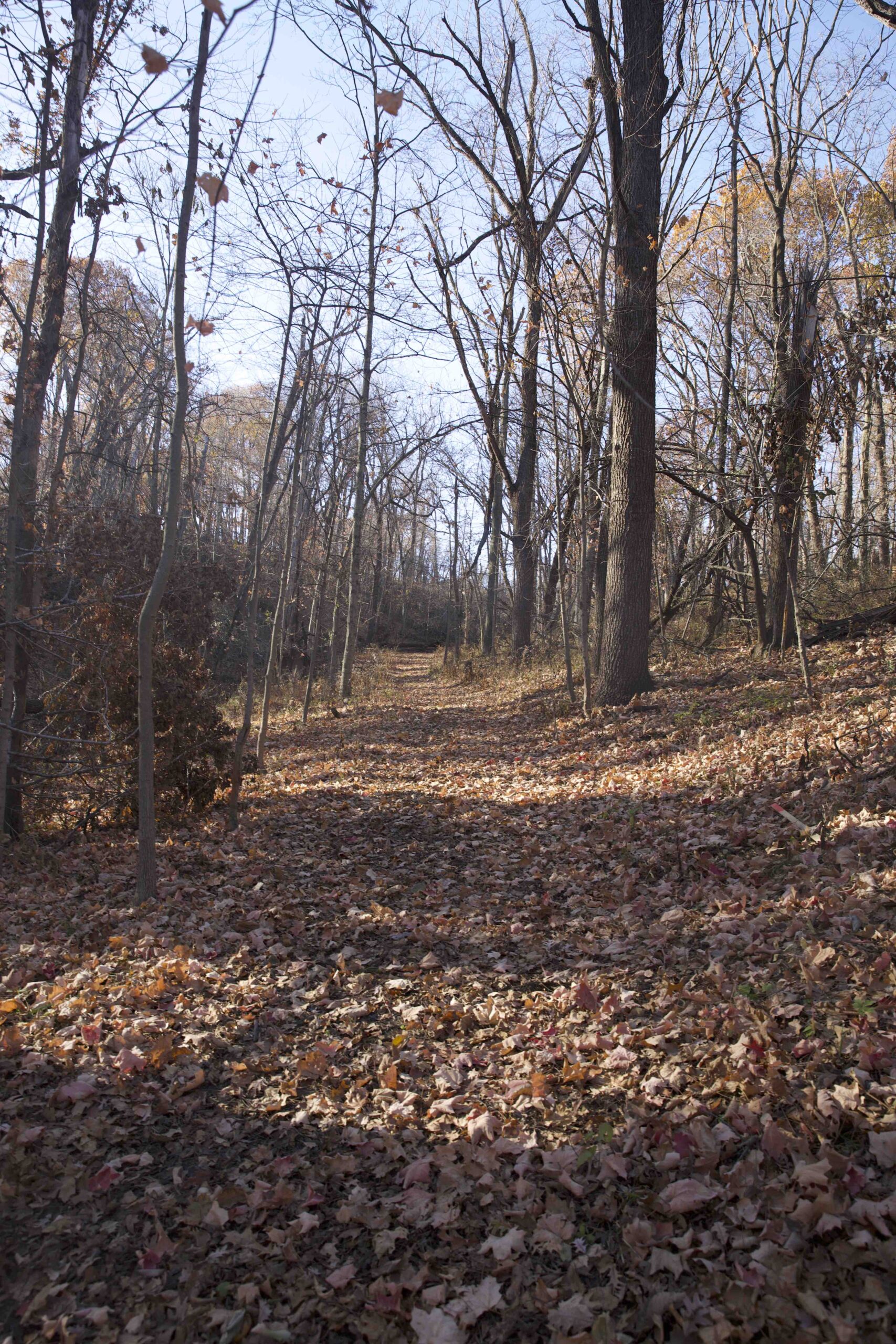
Fallen leaves provide a wide variety of wildlife with the shelter needed to survive Iowa winters.

5 Tips for a Pollinator-Friendly Yard

1. Rake Mindfully

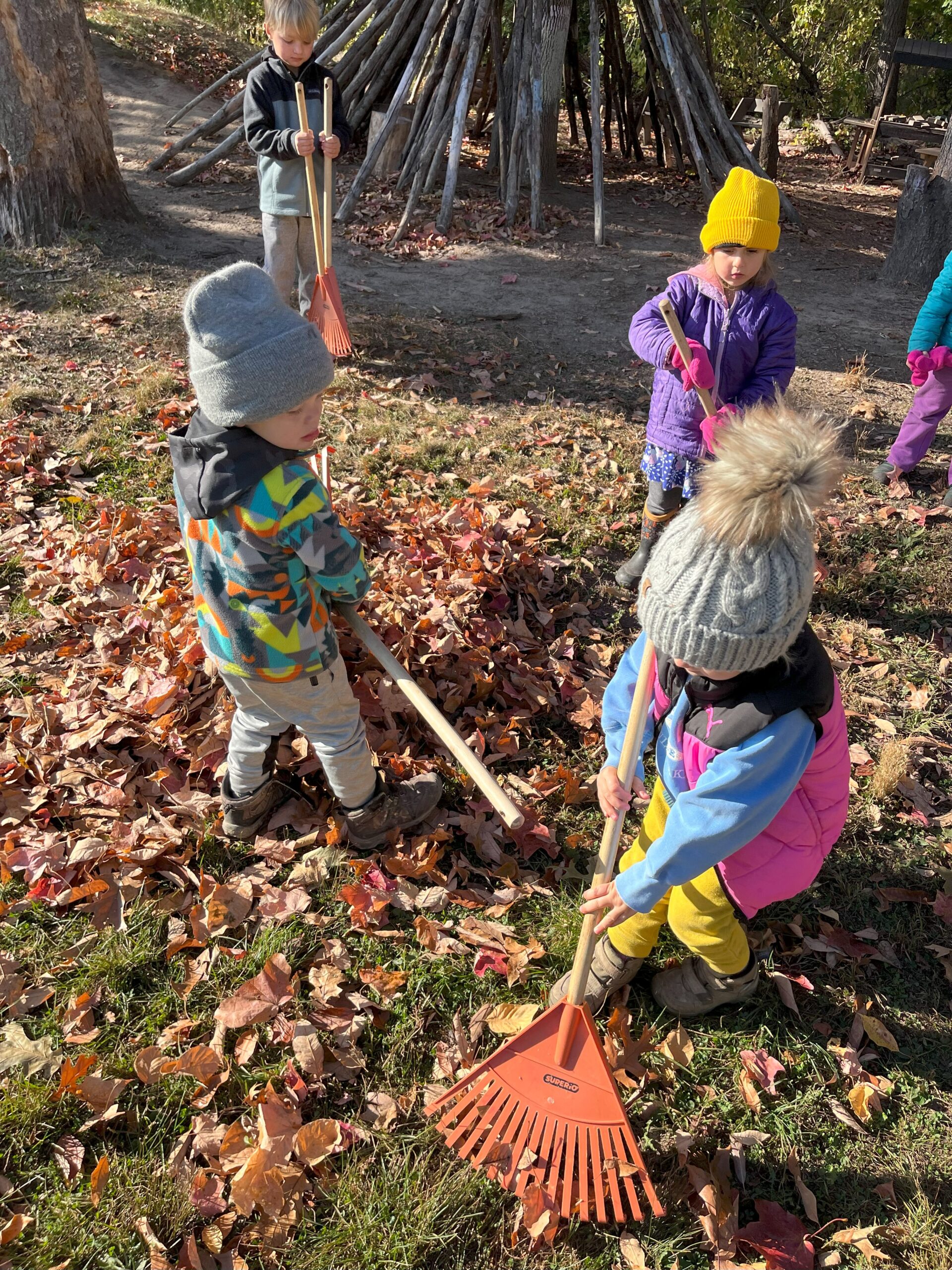
Leaving the leaves doesn’t have to mean you can’t move them. Moving the leaves off driveways, sidewalks, patios, and commonly walked areas in your yard can keep your space usable.

Raking the leaves into garden beds, around the base of a tree, under bushes, and other low-traffic areas allows you to create shelter for pollinators and boost the soil health in these areas.

2. Leave the Mower in the Shed

Mowing fallen leaves can destroy any eggs or cocoons already under the leaves. Raking is a safer method of moving leaves to places in your yard where the sheltering critters can survive the winter.

Let the caterpillars, millipedes, and other leaf-eating bugs break down the leaves for you.

3. Create Shelters

Flower heads, branches, and logs can also provide shelter for wildlife. When clearing these materials from your garden or yard, don’t toss them directly into the Yardy bin.

Pile the yard materials under a tree or amongst some landscaping to create a shelter that a variety of insects will use throughout the winter. Big enough piles could even shelter small rodents such as rabbits and chipmunks.

4. Minimize Disruption

After taking care to provide homes for pollinators and other creatures, make sure to protect these spaces until late spring. Be careful not to disturb the leaf piles unless necessary.

If you discover a nest, mark it with a small flag, marker, or stick to help avoid it.

5. Spring Clean Up

Save your raking and general yard clean up for late spring. Typically, by late spring the sheltering critters have moved on (here in Iowa this would be around mid-April). By then, you can clean up the yard without destroying nests, eggs, or cocoons.

Placing the leaves in a compost bin is a great way to recycle the nutrients remaining in the leaves. Cedar Rapids residents can put them in the Yardy bin and let the city create free compost for residents.

You can leave the leaves to create a yard that is friendly to pollinators and humans with mindful raking.
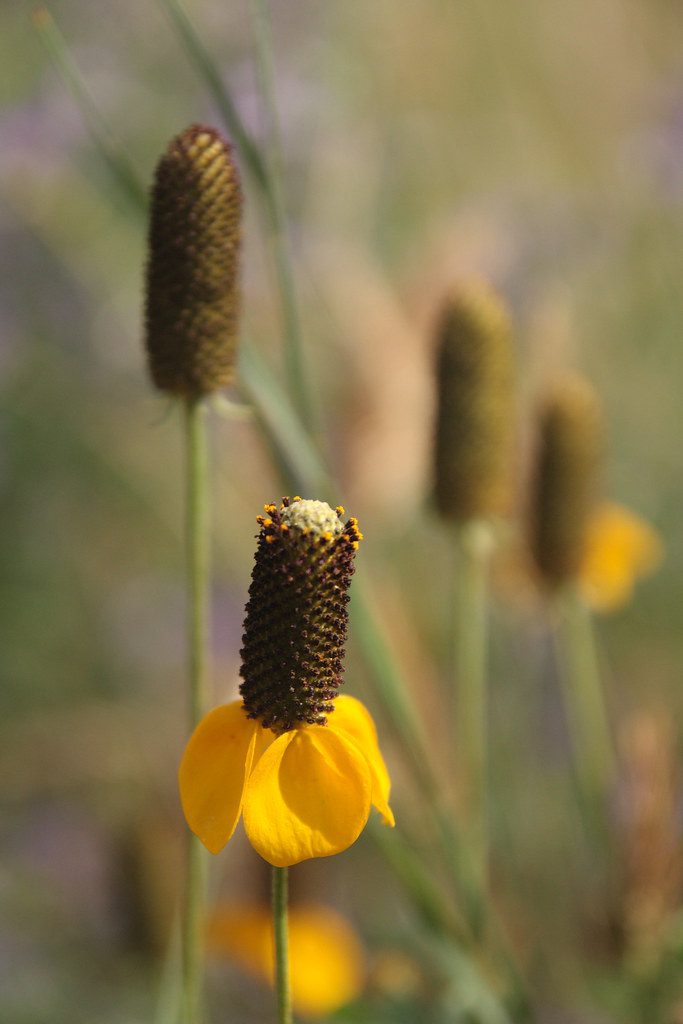
Prairie Coneflower
Wait until spring to do yard clean up, including raking, trimming flower heads, and removing sticks and branches (which can all provide winter shelter for pollinators).

This fall, you can relish in all the joys that leaves bring to your life. The beautifully striking colors. The life-saving shelter they provide pollinators. And, the perfect excuse to leave your rake in the shed until spring.
Secret Link