

Egg prices should be boring — but eggs have been all over the news in the last year as the average price of a dozen eggs has fluctuated wildy. The cost of a dozen eggs in the United States was $2.58 in June 2024, $8.17 in March 2025, and in June 2025 a carton is only $2.66.
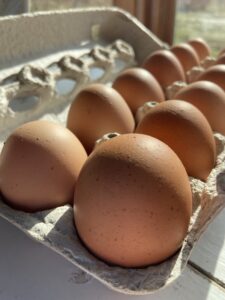
Meanwhile, a dozen organic eggs from Indian Creek Nature Center’s pasture-raised flock cost $5.00 in June 2024, $5.00 in March 2025, and in June 2025 a carton is only $5.00. What’s going on here?
How is it that egg producers around the country feel the need to drastically (and quickly) change their prices while the Nature Center is unphased? What is it that insulates the eggs coming from our organic farm?
One factor that keeps our prices stable — we care about our community. We set our prices based on our expenses, and, even if the market price of eggs goes up, we don’t change our prices unless our expenses change. So far, we’ve been lucky to have healthy birds and stable expenses, such as the organic grain fed to our flock.
And, how we operate our farm also contributes to the overall stability of our food prices. While organic eggs and produce typically cost two to three times more than conventional foods, the prices of organic food have shown to be less volatile during periods of inflation.
It’s true that hardships can impact small organic farms, but building a farm on the principles of sustainability, regenerative farming methods, and local food systems can increase the stability of prices for eggs and other produce.
How Smaller Sustainable Farms Stabilize Food Prices
One key factor that impacted the overall price of eggs in the last year was the spread of the bird flu virus (also known as avian flu). Bird flu spreads quickly and easily between birds, and the tactic most egg producers and government officials use to stop the spread is culling entire flocks that have been exposed.
Industrial farms that house thousands of chickens (often of the same species) within a single facility were greatly impacted. Between April 2024 and March 2025 at least 336 commercial flocks lost a combined total of more than 90 million birds from the bird flu virus. If you learned about supply and demand in high school, it’s not hard to imagine what losing 90 million chickens will do to egg prices.
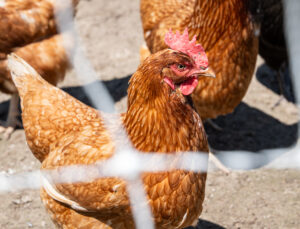
While pasture-raised flocks are not immune to bird flu, the flock at Etzel Sugar Grove Farm is at lower risk for exposure. The small size of the flock, staying within a local distribution system, and an attentive staff all help keep risk lower than what’s often found at large commercial farms.
There is also some research showing that the limited genetic diversity of commercial operations can increase a flock’s vulnerability to disease. It certainly doesn’t hurt that our 150-bird flock includes a handful of different breeds.
As a small, local operation that prioritizes the quality of eggs produced, instead of the egg’s profit margins, the flock is overall less stressed and less prone to disease.
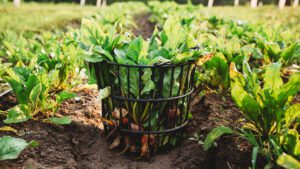
Regenerative farming can help stabilize the price of other agricultural products as well.
Three key differences reduce the risk of price fluctuation for the fruits, vegetables, nuts, and honey grown at Etzel Sugar Grove Farm.
1. Less reliance on synthetic chemical inputs: No pesticides. No artificial fertilizers. No herbicides. Since the farm operates as a self-sustaining ecosystem that utilizes natural resources (such prairie buffer strips that attract insects that pollinate and control pests), and naturally maintains a healthy level of nutrients in the soil, regenerative farmers know that every year their budget for synthetic chemical inputs will be $0.
2. More resilient to extreme weather: Droughts and floods are part of farming, but the crop and plant diversity on a regenerative farm helps reduce the risk of crop loss from extreme weather. Native prairie grasses and trees planted (or allowed to stay) on the farm help retain ground moisture during droughts and help soak up excess water during floods.
3. Selling locally simplifies the supply chain: Small farming operations also tend to serve local markets. When produce is bought locally it reduces the steps to get it to market, which reduces the potential for changes in transportation costs.
Small, local farms that use sustainable farming practices have the potential to support robust, stable, and eco-friendly supply chains that bring healthy produce to your table at prices that won’t surprise you — or make the evening news.